What Is Industrial Interior Design?
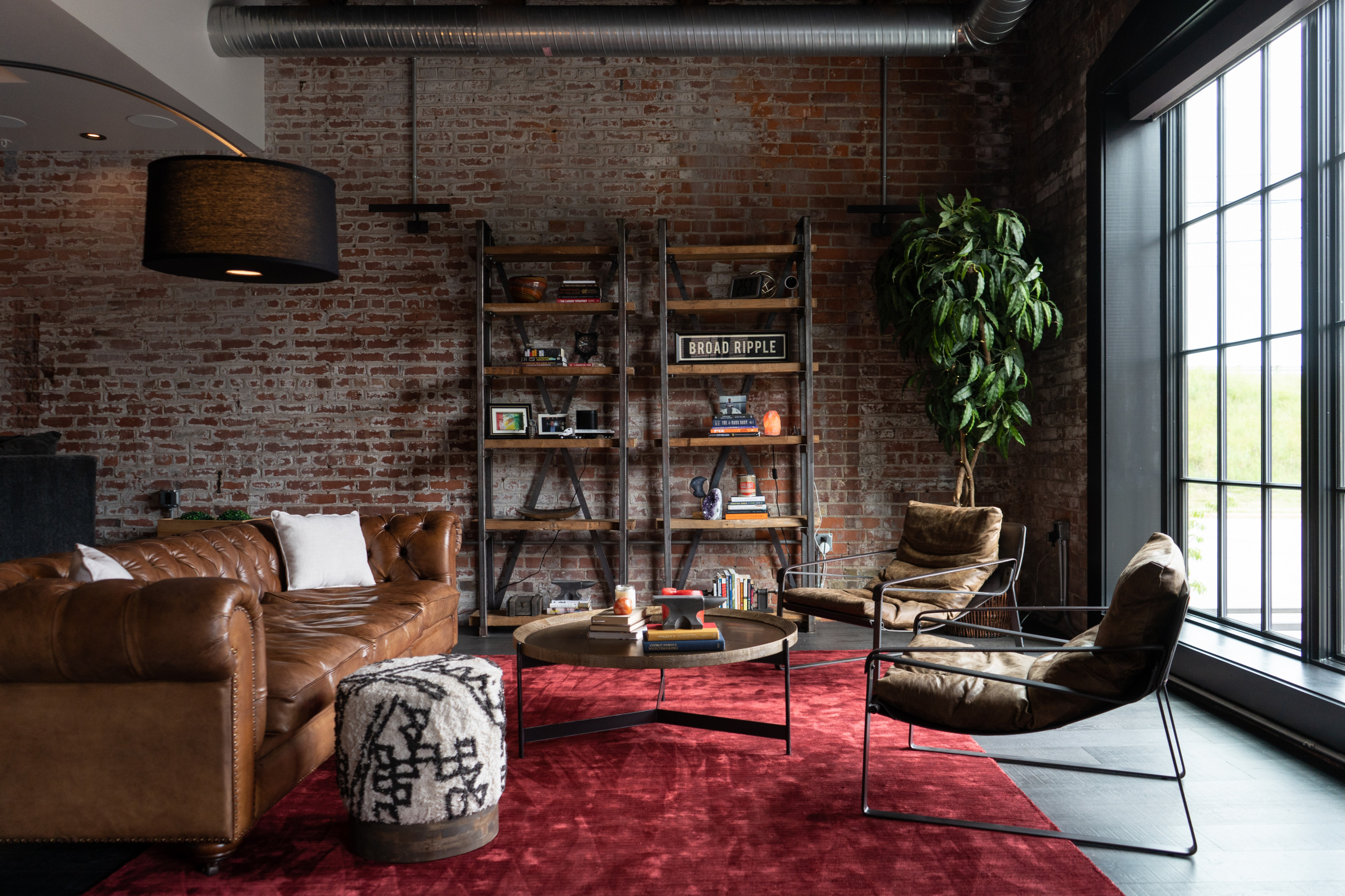
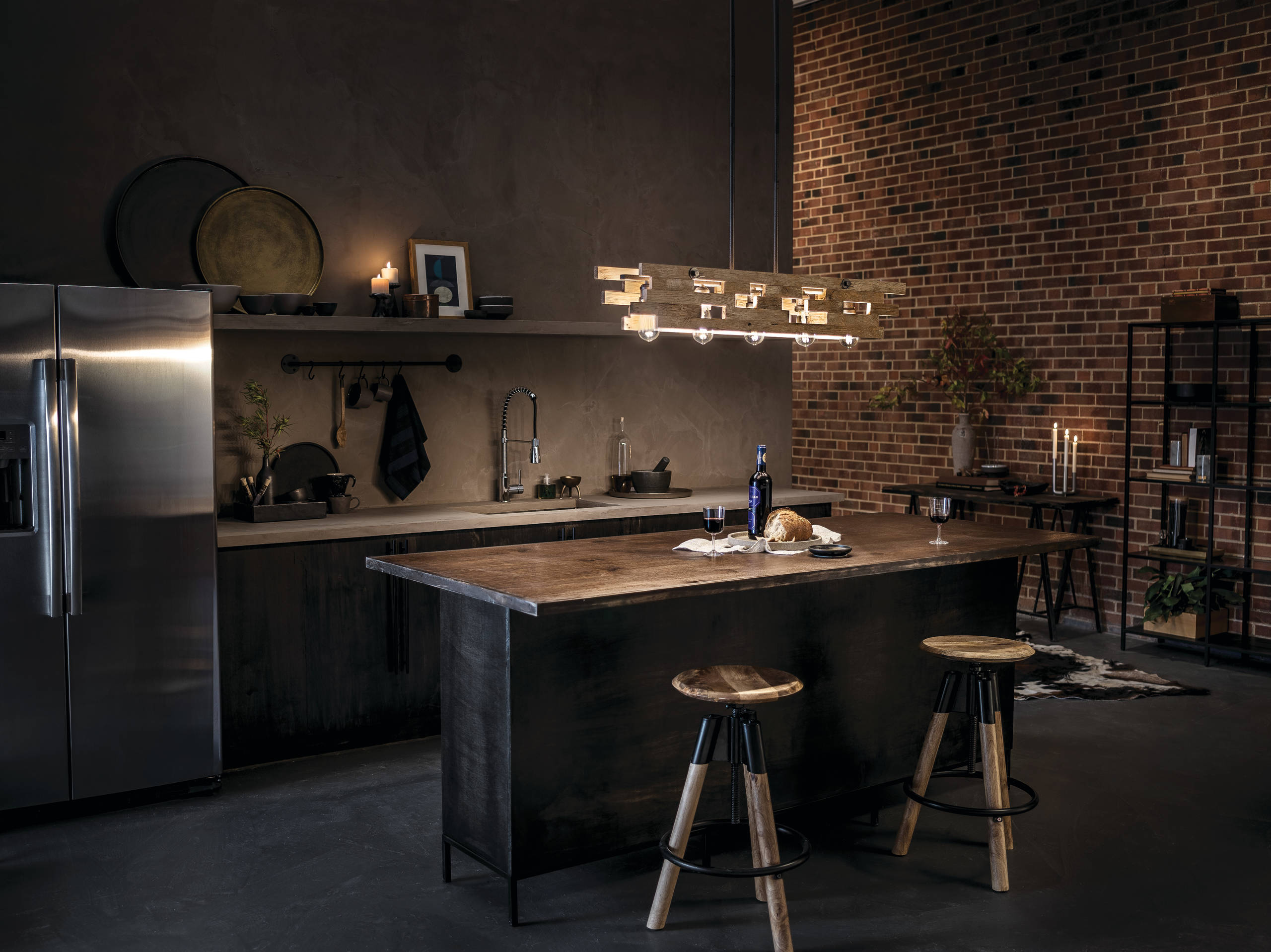
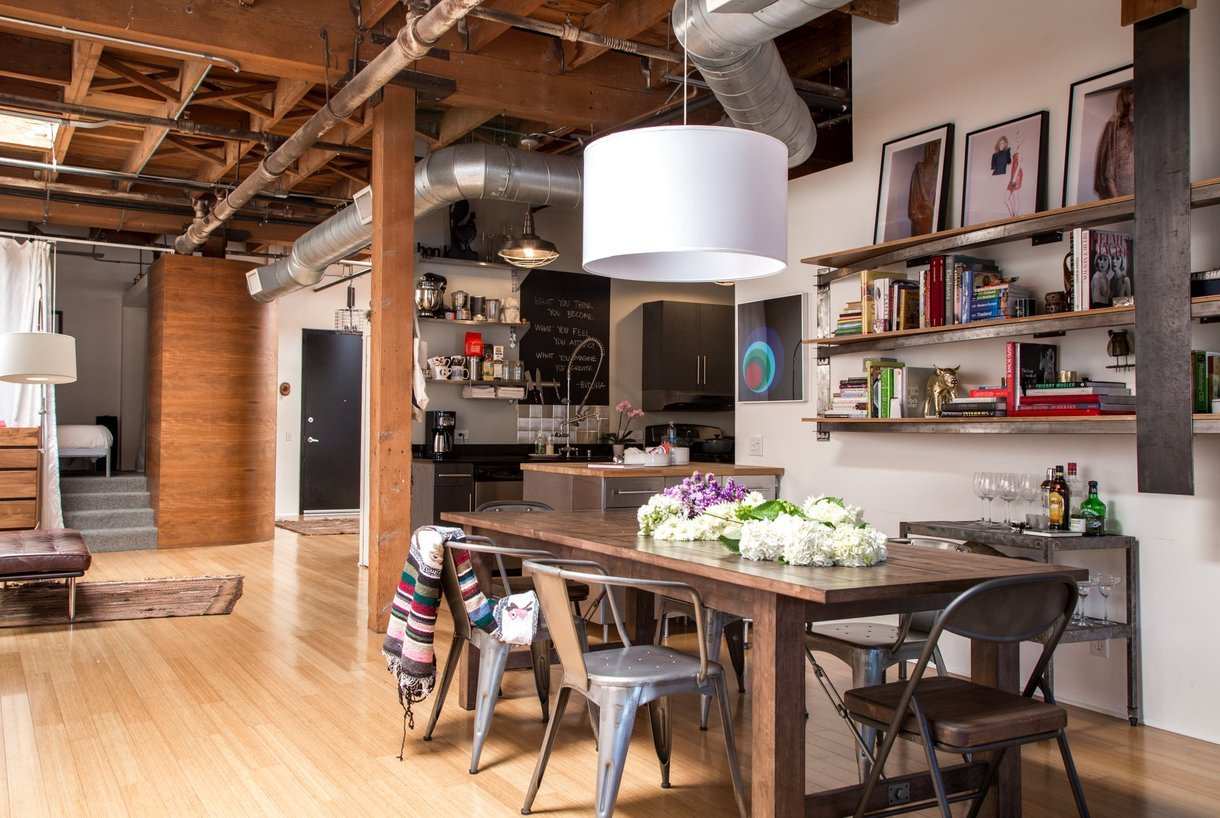
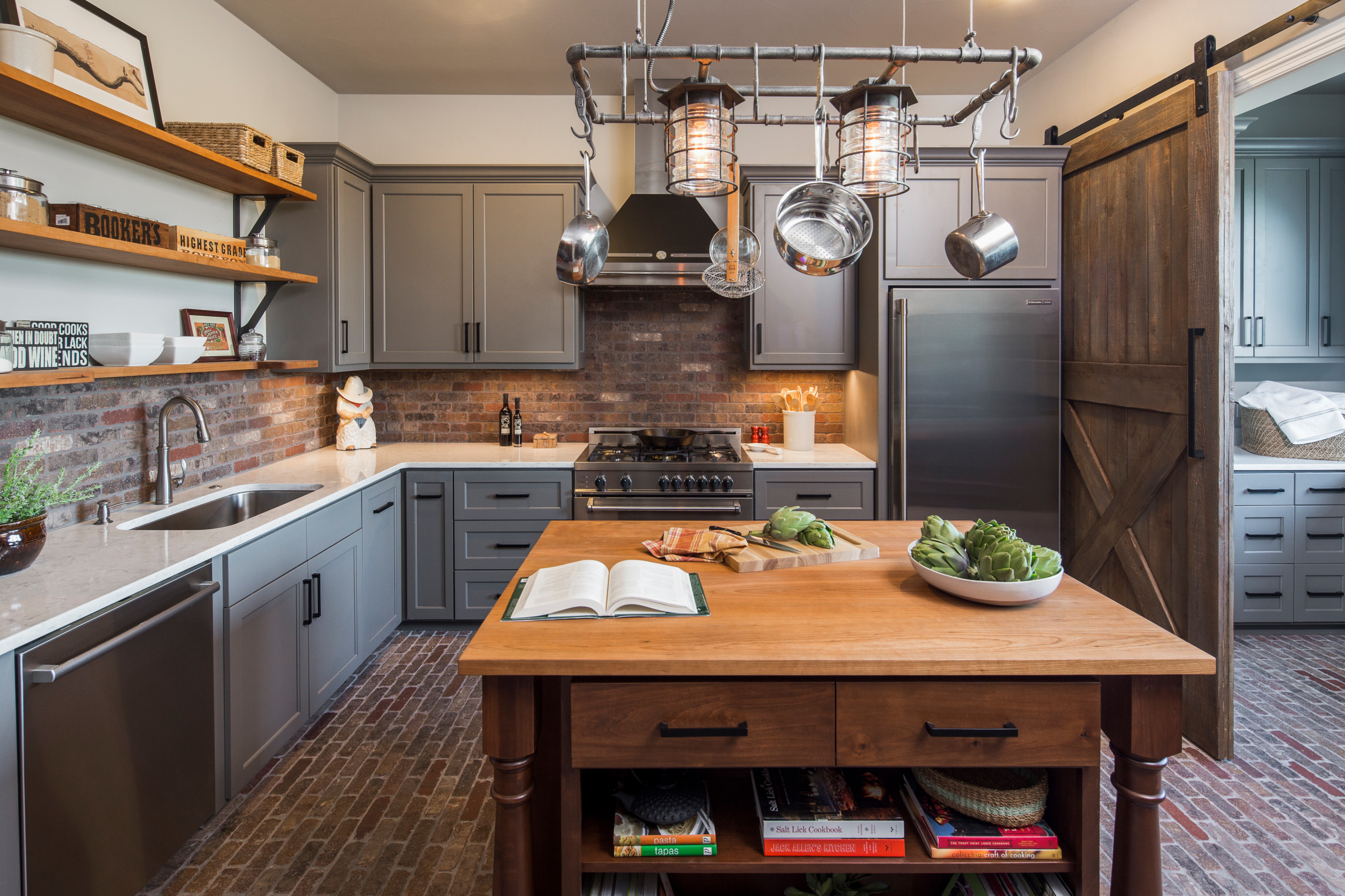
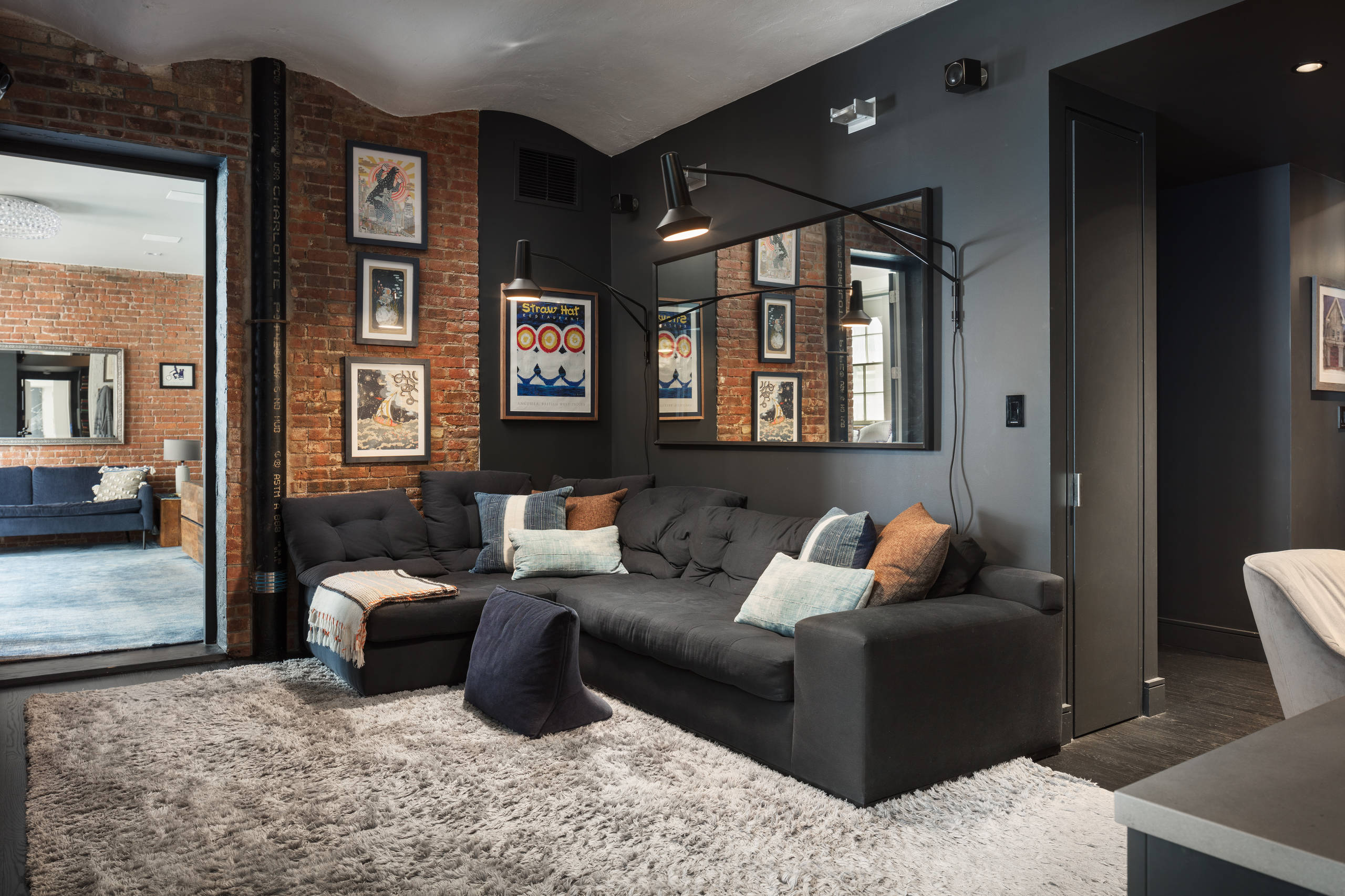
Inspired by repurposed factories from the Industrial Revolution, the industrial home design style embraces exposed architectural elements like pipes, brick, and concrete, and minimalist design philosophy. The interior design style also includes Edison light bulbs, open floor plans, and a cool, neutral color palette
While the design is based on minimalist, open spaces, the blend of various rustic materials in furniture and lighting accents provides homeowners the opportunity to bring industrial interior design into any living space. Contemporary homes, in particular, use a combination of industrial, mid-century modern and farmhouse style to create a cozy blend in living rooms, dining rooms, or throughout the home.
7 Characteristics
- Neutral color palette: Industrial spaces don’t simply use shades of white like other minimalist designs. It utilizes the spectrum of whites, greys, blacks, as well as neutral tones of brown.
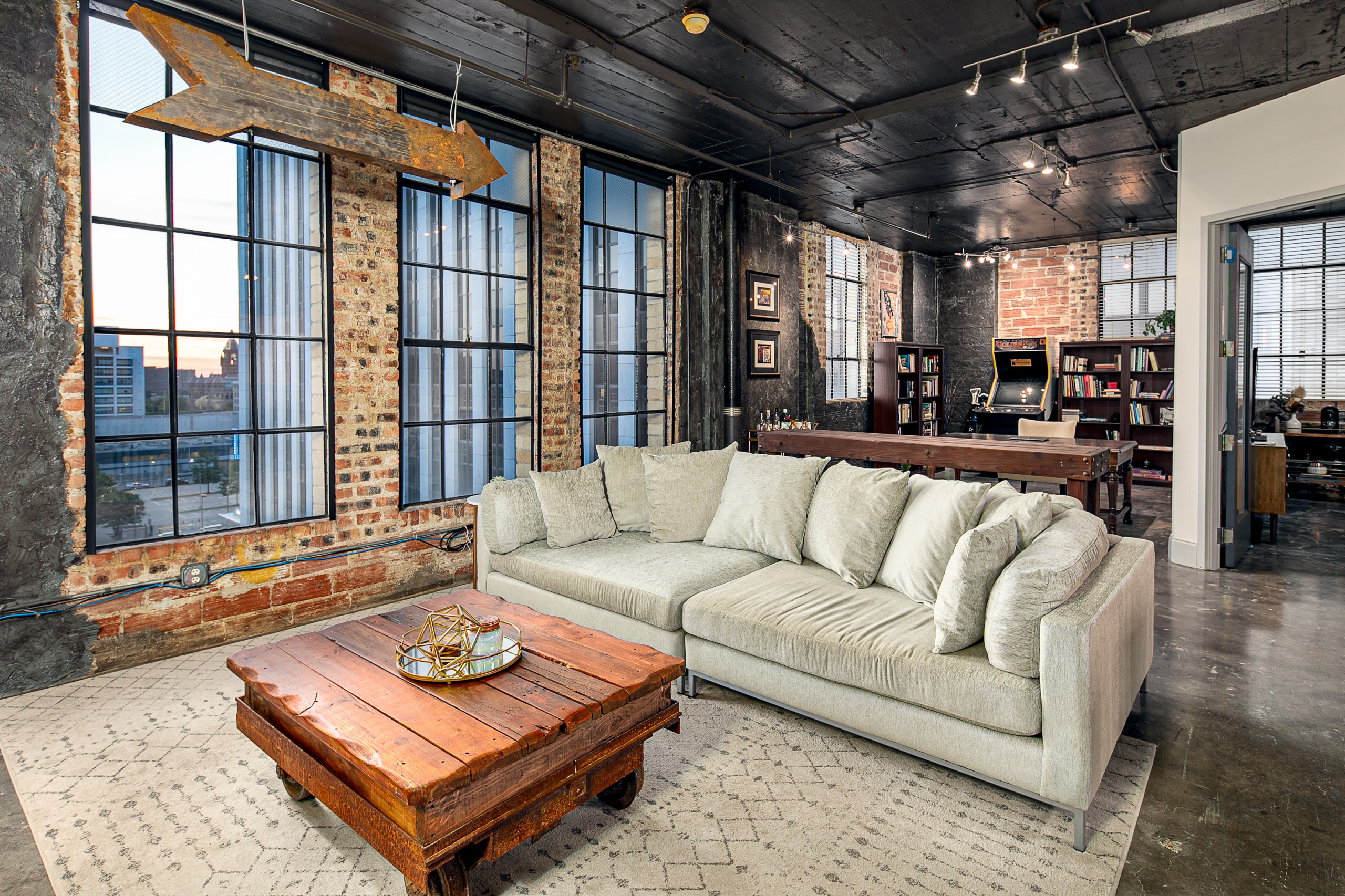
- Embrace natural light: Industrial decor typically features large natural windows with black panes, sometimes in a grid pattern.
- Highlight architectural materials: The industrial style typically has open floor plans and high ceilings. Instead of using drywall or wallpaper, buildings feature exposed brick, concrete floors, industrial pipes, and visible ductwork.
- Repurposed materials: A wooden coffee table with castor wheels, bookshelf made of reclaimed materials, and repurposed dining tables are a staple of industrial style and a great way to bring natural elements into the metal-heavy materials.
- Bare light bulbs: Edison bulbs hanging solo or in a decorative group as a chandelier are common elements of industrial home decor. If you prefer something less bare, large metal domes, a pendant light, or floor lamps that leave the bulb visible are also popular industrial design ideas.
- Graphic lines: Whether it’s a windowpane or an iron wheel on bar stools, this style loves clean, graphic lines, particularly created with black metals, rather than sinuous lines and patterns. This is not to be confused with the graphic and highly stylized look of art deco, which highlights bold colors and metallics.
- Create coziness with natural textiles: Fabrics like weathered leather or linen work well in these environments for both furniture and accents, creating a lived-in and cozy feel.